

Hey there! As a supplier of conveyor systems, I've seen my fair share of issues that pop up with conveyor belts. In this blog, I'll chat about some common problems you might run into and how they can affect your operations.
First off, let's talk about wear and tear. It's one of the most frequent issues with conveyor belts. You see, these belts are constantly in motion, carrying all sorts of loads. Over time, the constant friction between the belt and the rollers, as well as the weight of the materials being transported, can take a toll. The edges of the belt might start to fray, and the surface can get worn down. This not only shortens the lifespan of the belt but can also lead to other problems. For example, if the belt is frayed, there's a risk of it getting caught on something, causing a jam. And a worn - out surface might not grip the materials properly, leading to slippage.
Slippage is another major headache. There are a few reasons why a conveyor belt might start to slip. One common cause is improper tension. If the belt isn't tight enough, it won't have the necessary traction to move the load. This can be due to a loose tensioning mechanism or just normal stretching of the belt over time. Another factor could be a dirty or oily belt surface. If there's debris or lubricants on the belt, it reduces the friction between the belt and the drive pulley, causing it to slip. Slippage can slow down your production line, and in some cases, it might even stop the whole operation.
Misalignment is also a big deal. When a conveyor belt is misaligned, it doesn't run straight on the rollers. This can happen for several reasons, like uneven installation of the conveyor system, worn - out rollers, or an imbalance in the load. A misaligned belt can cause uneven wear on the belt and the rollers. It can also lead to the belt rubbing against the side frames of the conveyor, which can damage the belt and even pose a safety hazard. If you notice that your belt is constantly drifting to one side, it's a sign that there's a misalignment issue.
Now, let's touch on the problem of tracking. Tracking refers to how well the belt stays centered on the conveyor. Poor tracking can result in the belt moving off - course, which is related to misalignment but also has other contributing factors. For instance, if the belt has been damaged or has a non - uniform thickness, it can affect its tracking ability. Also, changes in the load distribution can cause the belt to shift. If the belt isn't tracking properly, it can lead to spillage of the materials being transported, as well as increased wear and tear on the belt edges.
Another common problem is belt damage. This can be caused by a variety of things, such as sharp objects on the conveyor, excessive tension, or impact from heavy loads. A damaged belt can have holes, cuts, or tears, which can significantly affect its performance. If the damage is severe, the belt might need to be replaced immediately. Even minor damage can grow over time and cause more serious issues, like belt breakage.
Jamming is probably one of the most frustrating problems. It can be caused by a number of factors, including foreign objects getting stuck on the conveyor, belt misalignment, or excessive material buildup. A jammed conveyor can bring your production to a halt and may even cause damage to the conveyor system itself. It can be time - consuming and costly to clear a jam and get the conveyor back up and running.
Now, depending on your specific needs, we offer different types of conveyor systems. For example, if you're looking for a Cross Chain Conveyor, it's a great option for certain applications where you need to transport materials across different paths. The cross - chain design provides efficient movement and can handle a variety of loads.
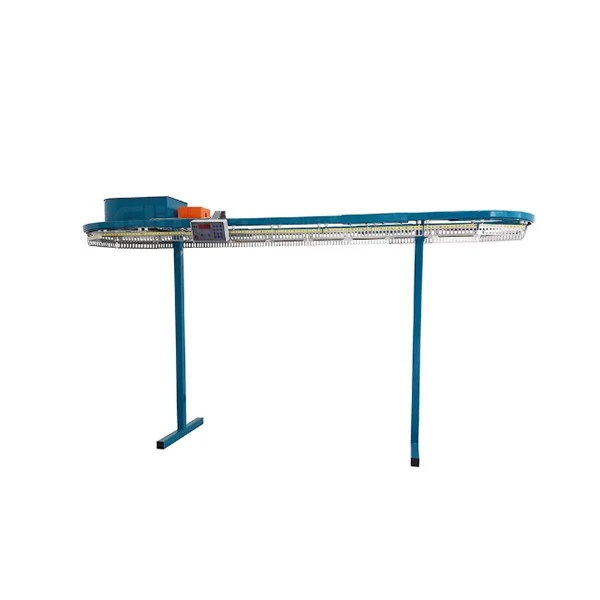

If you're involved in the garment industry, our Garment Handling Conveyor is tailored to your needs. It's designed to handle delicate garments gently, with features that prevent damage and ensure smooth transportation.
And for more specialized operations, we have the Reverse Power and Free Conveyor. This type of conveyor allows for more control over the movement of materials, with the ability to stop and start individual carriers as needed.
So, if you're facing any of these common conveyor belt problems or are in the market for a new conveyor system, don't hesitate to reach out. We're here to help you find the right solution for your business. Whether it's troubleshooting an existing issue or selecting a new conveyor, our team of experts has the knowledge and experience to assist you. Get in touch with us to start the conversation about improving your conveyor operations.
References
- Industry - specific manuals on conveyor system maintenance
- Technical papers on conveyor belt performance and common issues


