


Drive Unit
Your Professional Drive Unit Supplier!
Since 2005, Hangzhou Ocean Industry Co., Ltd., a leading overhead conveyor company, has been providing innovative material handling solutions. We are committed to maintaining the highest standards of quality and excellence in all our products. Our main products include heavy-duty overhead conveyor systems, heavy-duty suspended conveyors, enclosed track conveyors, overhead chain conveyor systems, power-release conveyors, drag-line floor conveyors, garment conveyors, and reverse power and free conveyors.


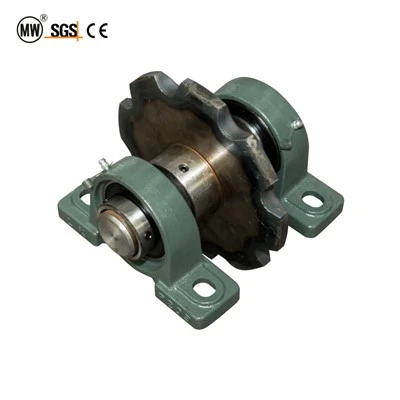


Specification
|
Project Type |
L |
A1 |
A |
B1 |
B |
D |
|
XT80 |
757 |
1300 |
1360 |
640 |
700 |
φ666 |
|
XT100 |
757 |
1340 |
1400 |
780 |
840 |
φ652 |
|
XT160 |
895 |
1460 |
1500 |
785 |
850 |
φ826.5 |
Benefits of Drive Unit
Efficiency
Drive units ensure smooth material handling, reducing operational delays.
Durability
Drive units enhance longevity, even under heavy usage.
Safety And Reliability
Properly selected drive units reduce wear and tear, minimizing risks and maintenance costs.
Our Best-Selling Drive Unit
Our Company Has More Products to Offer, Please Browse the Product Categories on the Website, If You Have Any Needs, Please Contact Us.
Linear Drive Unit
The drive frame is divided into inner and outer frames.When unexpected situations such as resistance overload occurs,the inner frame moves relative to the outer frame, and the travel switch operates for electrical protection.
Angular Drive Unit
The device adopts a transmission device with a planetary reducer belt structure.The standard number of teeth of the drive wheel is 10. If the user has special needs, on the premise of ensuring the strength of the reducer, a drive wheel with 13 teeth can be provided.
Heavy Duty Drive Unit
The power of the driving device is transmitted to the cycloidal pinwheel reducer through the belt through the adjusting motor, and then from the reducer to the driving spindle through the chain sprocket.

The Role of Drive Unit
Drive units are the motors or gearboxes that power the conveyor belt, enabling it to move materials from one point to another. They come in many types and configurations to suit specific applications, such as roller, belt, chain, and screw drives. Regardless of the drive type, it's crucial to place it in a location that maximizes the conveyor's performance and minimizes wear and tear.
Drive Unit Location
Consider several factors when deciding whether to place the drive unit at the head or the tail end. Assess the material flow and the conveyor's intended use. If you're transporting heavy or bulky materials, it's advisable to go with a head drive to minimize slippage and reduce the strain on the motor. Conversely, a tail drive might be the way to go if you're working in a confined space or require a reversible conveyor. Consider the necessary clearance for maintenance and repair, the conveyor's length and inclination, and the type of material's particle size and density.
As you embark on the design process, keep in mind that one of the essential considerations for a conveyor system is the placement of the drive unit. The right placement should provide optimal performance, durability, and safety while minimizing the total cost of ownership. Work with Ocean to help you make an informed decision and ensure that you invest in high-quality components and maintenance practices for your conveyor system.
Application of Drive Unit
These are common in straightforward setups like warehouse or manufacturing operations.
Ideal for long conveyors or systems requiring balanced load distribution.
Used in belt conveyors, especially in areas with limited space.
Order Process
Contact Customer Service
1
>>
Submit Order
2
>>
Obtain a Quote
3
>>
Confirm Order
4
>>
Arrange Payment
5
>>
Track Order
6
>>
Receive and Inspect Goods
7
Packaging and Shipping
|
Packaging |
Wooden box |
|
Transportation methods |
Road transport, rail transport, sea transport, air transport |
Our Certificate

FAQ