


Conveyor Systems
Your Professional Conveyor Systems Supplier!
Ocean is a leading domestic conveyor line supplier established in 2005. With its own factory and more than 18 years of working experience.
Rich Product Variety
Our company has a series of products including conveyor systems, conveyor chains, conveyor tracks, automatic storage and retrieval, coiling components, drive devices, hangers, return roller horizontal curves and conveyor trolleys.
Wide Range Of Product Applications
Our company's products are mainly used in manufacturing, logistics warehousing, food and beverage, construction, airport baggage transportation, waste disposal, e-commerce and other industries.
Delivery And Shipment Time
Our company's sample delivery cycle is generally 15 working days. The production delivery cycle is 30-60 working days after receiving the deposit.
Quick Response
We promise to respond to your inquiries within 24 hours to ensure that you receive the information and support you need in a timely manner.


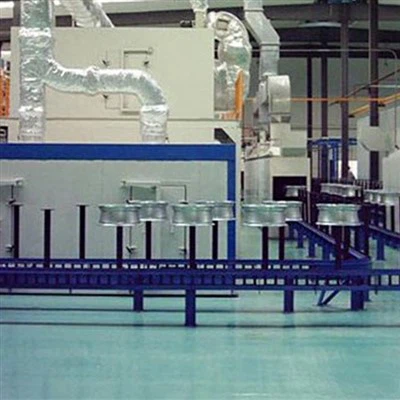


Features of Conveyor Systems
Efficiency
Modern conveying systems are usually designed to be efficient, able to transport materials quickly and stably, and improve production efficiency.
Automation
Many conveying systems use automation technology to reduce manual intervention and improve operational accuracy and safety.
Flexibility
Conveying systems can be modularly designed according to production needs to adapt to material transmission of different scales and types.
Scalability
Many conveying systems can be expanded or modified according to the development needs of production lines to adapt to the growth of enterprises.
Reliability
A good conveying system has high reliability, can work stably in harsh environments, and reduce equipment failure time.
Easy Maintenance
A well-designed conveying system facilitates daily maintenance and overhaul, reduces downtime, and improves production continuity.
Conveying Equipment
Belt conveyor: Moves materials from one place to another through a belt.
Chain conveyor: Uses chains and sprockets to transfer materials.
Roller conveyor: Pushes materials forward through rotating rollers.
Screw conveyor: Conveys granular or powdered materials in a spiral manner.
Drive System
Includes motors, reducers, transmission belts, chains, etc., used to drive the conveying equipment to make it operate.
Control System
Automation system used to monitor and control the conveying process, which may include sensors, PLC (programmable logic controller), human-machine interface, etc.
Structural Support
The frame and bracket of the conveying system provide overall support and stability.
Guide device
Ensures that materials move stably and accurately during transportation to prevent them from deviating from the track.
Collection and distribution device
Used to collect materials during transportation or distribute materials to different output points.
Safety facilities
Such as emergency stop switches, protective covers, warning signs, etc., to ensure safe operation.
Maintenance of Conveyor Systems


Regular Inspection
Regularly check the condition of the conveyor belt, including wear, cracks and looseness. Check the operation of the guide wheels, rollers and drive devices to ensure that there are no abnormal sounds.
Cleaning
Keep the conveying system clean and regularly clean the material residue on the conveyor belt to prevent accumulation from causing blockage or damage. Clean the area around the conveying equipment to ensure that there is no debris interfering with the normal operation of the equipment.
Lubrication
Regularly lubricate the moving parts to ensure that they run smoothly. Pay attention to using the appropriate lubricant to prevent excessive wear.
Adjust The Tension
Regularly check and adjust the tension of the conveyor belt to ensure its normal operation. Too tight or too loose will reduce the conveying efficiency and even cause equipment damage.
Electrical System Maintenance
Check the connections of the motor, control box and other electrical equipment to ensure that there is no looseness or corrosion. Regularly test the functions of the safety system and emergency stop device.
Replace Damaged Parts
Replace worn or damaged parts such as conveyor belts, rollers, chains, etc. in time to prevent small problems from turning into major failures.
Record Maintenance Records
Keep detailed maintenance records, including inspection dates, problems found and treatment status, to provide reference for subsequent maintenance.
Application of Conveyor Systems
Manufacturing
On the production line, conveying systems are used to automatically move materials. For example, conveyor belts can move parts from one process to the next, improving production efficiency.
Logistics And Warehousing
In logistics centers and warehouses, conveying systems are used to move goods quickly and efficiently, such as sorting systems and slide rail conveying systems in automated warehouses.
Food And Beverage Industry
Conveying systems are often used in food processing and packaging processes, including the movement, sorting and packaging of food to ensure hygiene and efficiency.
Mining And Metallurgy
In mining, conveying systems are used to transport ore from mining sites to crushing, screening or washing sites to reduce manual handling.
Construction Industry
Used to transport building materials such as cement, sand and gravel to construction sites, especially concrete pumps are often used in high-rise construction.
Medical Industry
In hospitals, conveying systems are used to automatically move medicines and equipment to improve the work efficiency of medical staff.
Airports And Transportation Systems
At airports, baggage conveying systems are used to quickly and safely deliver passenger luggage from the boarding gate to the aircraft, or from the aircraft to the baggage claim area.
Automotive Industry
Used to transport automotive parts from one assembly line to another, or to increase the level of automation in overall automotive production.