


Hanger


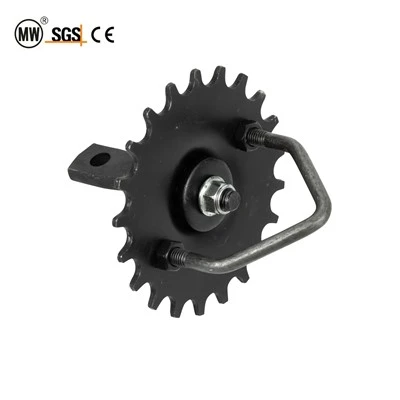
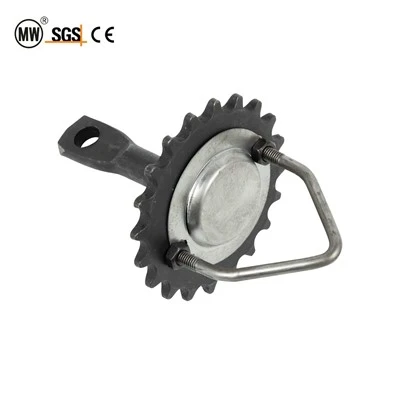
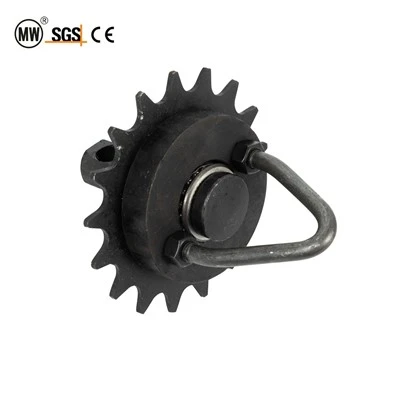


Advantages of Hanger
Rotate freely
The key feature of Hanger is that they can move or turn while the lift is in progress. This will allow the load you are lifting to naturally turn with the spreaders and maintain a natural position.
Prevent swaying
Because Hanger can turn and move and allow the load to turn with them, this can help prevent swaying from the load.
Can protect your other lifting equipment
When the Hangers you use for your lift can swivel or turn a bit, this helps reduce stress on the rest of the rig or equipment you will be using to lift the load.
Easier lifts thanks to freedom of movement
Allowing the load to naturally reposition itself as the Hangers swivel May also allow for easier freedom of movement when trying to get the load into a tight spot. You can use the natural movement to guide the load to the exact angle that you want it to go.
Hanger Applications
Construction
Perfect for hoisting steel beams, concrete panels, and heavy machinery where load alignment is critical.
Marine Operations
Practical for securing cargo, lifting equipment, and controlling mooring lines in areas where load shifting can occur.
Utility Work
Helps raise transformers, poles, and other heavy parts in restricted or high places.
Safety Tips for Hanger
Regularly inspect Hangers for cracks, deformations, or excessive wear, especially around the swivel joint.
Check for smooth rotation. Any stiffness or grinding indicates internal damage.
Avoid overloading by adhering strictly to the Hanger's WLL. Ensure the latch (if present) functions properly to prevent accidental detachment.
Lubricate moving parts per the manufacturer's recommendations to maintain smooth swivel action.
Packaging and Shipping
|
Packaging |
Wooden box |
|
Transportation methods |
Road transport, rail transport, sea transport, air transport |
Our Certificate

FAQ