

In the dynamic landscape of modern industry, the efficiency and cost - effectiveness of conveyor systems play a pivotal role in streamlining operations and maximizing productivity. As a seasoned conveyor systems supplier, I've witnessed firsthand the transformative impact that well - designed conveyor solutions can have on businesses across various sectors. In this blog, I'll delve into the world of cost - effective conveyor system solutions, exploring different types of conveyors, their benefits, and how they can be tailored to meet specific business needs.
Understanding the Basics of Conveyor Systems
Conveyor systems are mechanical devices that transport materials from one location to another. They come in a wide variety of types, each designed to handle different types of loads, environments, and operational requirements. Some of the most common types of conveyor systems include belt conveyors, roller conveyors, chain conveyors, and overhead conveyors.
Belt conveyors are perhaps the most widely used type of conveyor. They consist of a continuous belt that moves over a series of rollers, allowing for the smooth and efficient transport of a wide range of materials. Belt conveyors are suitable for handling both light and heavy loads and can be used in a variety of industries, including manufacturing, warehousing, and logistics.
Roller conveyors, on the other hand, use a series of rollers to move materials along a path. They are ideal for transporting items that are flat or have a regular shape, such as boxes and pallets. Roller conveyors can be powered or non - powered, depending on the specific application.
Chain conveyors use chains to move materials along a track. They are commonly used in heavy - duty applications, such as automotive manufacturing and mining, where they can handle large and heavy loads.
Overhead conveyors are suspended from the ceiling and are used to transport materials in a vertical or horizontal direction. They are often used in manufacturing and assembly lines to move parts and products between different workstations.
Cost - Effective Conveyor System Solutions
When it comes to cost - effective conveyor system solutions, there are several factors to consider. These include the initial cost of the conveyor system, the operating costs, and the maintenance requirements.
Initial Cost
One of the key considerations when choosing a conveyor system is the initial cost. Different types of conveyors have different price points, and it's important to choose a system that fits within your budget. For example, belt conveyors are generally more affordable than chain conveyors, making them a popular choice for small and medium - sized businesses.
However, it's important to remember that the initial cost is not the only factor to consider. A more expensive conveyor system may offer better performance, durability, and efficiency in the long run, which can result in significant cost savings over time.
Operating Costs
In addition to the initial cost, the operating costs of a conveyor system are also an important consideration. These include the cost of electricity, maintenance, and repairs.
To reduce operating costs, it's important to choose a conveyor system that is energy - efficient. For example, some conveyor systems are designed to use less electricity by incorporating features such as variable frequency drives and energy - saving motors.
Regular maintenance is also crucial to keep the conveyor system running smoothly and to prevent breakdowns. By following a regular maintenance schedule, you can extend the lifespan of the conveyor system and reduce the need for costly repairs.
Tailoring Conveyor Systems to Specific Needs
Another important aspect of cost - effective conveyor system solutions is the ability to tailor the system to meet specific business needs. Every business has unique requirements, and a one - size - fits - all approach may not be the best solution.
For example, if you are in the garment industry, you may need a Garment Handling Conveyor that is specifically designed to handle delicate fabrics and garments. These conveyors often have features such as adjustable height, gentle handling mechanisms, and anti - static properties to ensure the safe and efficient transport of garments.
Similarly, if you are in an industry where space is limited, you may need an Enclosed Rail Conveyors that can be installed in a compact area. Enclosed rail conveyors are ideal for applications where there is a need to move materials in a confined space, as they can be designed to fit into tight corners and around obstacles.
Innovative Conveyor System Solutions
In recent years, there have been several innovative developments in the field of conveyor systems. These new technologies are designed to improve efficiency, reduce costs, and enhance the overall performance of the conveyor system.

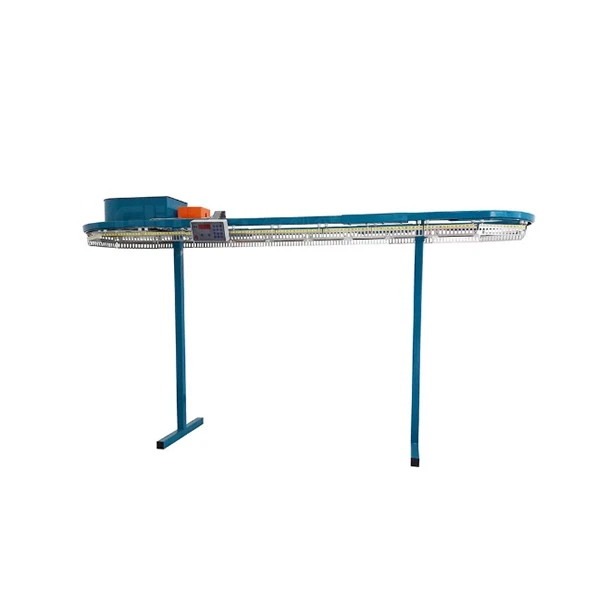
One such innovation is the Reverse Power and Free Conveyor. This type of conveyor allows for the independent movement of carriers, which can be powered or free - flowing. The reverse power feature enables the carriers to move in both forward and reverse directions, providing greater flexibility in material handling.
Another innovation is the use of smart conveyor systems. These systems are equipped with sensors and controls that can monitor the performance of the conveyor, detect faults, and adjust the speed and operation of the conveyor in real - time. Smart conveyor systems can help to improve efficiency, reduce downtime, and optimize the use of resources.
The Importance of Choosing the Right Supplier
Choosing the right conveyor system supplier is crucial to ensure that you get a cost - effective and reliable solution. A good supplier will have a deep understanding of the industry and will be able to provide you with expert advice on the best conveyor system for your specific needs.
When choosing a supplier, look for a company that has a proven track record of delivering high - quality conveyor systems. They should also offer comprehensive after - sales support, including installation, maintenance, and repair services.
In addition, a good supplier will be able to work closely with you to understand your business requirements and to develop a customized conveyor system solution that meets your needs and budget.
Conclusion
In conclusion, cost - effective conveyor system solutions are essential for businesses looking to improve efficiency, reduce costs, and enhance productivity. By understanding the different types of conveyor systems, considering the initial and operating costs, and tailoring the system to specific needs, businesses can choose the right conveyor system for their operations.
Innovative technologies such as reverse power and free conveyors and smart conveyor systems are also providing new opportunities for businesses to optimize their material handling processes.
As a conveyor systems supplier, I'm committed to providing my customers with the best possible solutions. If you're interested in learning more about our conveyor systems or would like to discuss your specific requirements, please don't hesitate to contact us. We'll be happy to help you find the most cost - effective conveyor system solution for your business.
References
- "Conveyor Systems Handbook" by John A. Barkan
- "Material Handling Handbook" by the Material Handling Industry of America
- Industry reports on conveyor system technologies and trends


