

Hey there! As a supplier of C shaped spreaders, I've been in the thick of it, dealing with all sorts of customers and their needs. C shaped spreaders are pretty handy tools, but like anything else, they've got their limitations. In this blog, I'm gonna break down those limitations so you can make an informed decision when it comes to choosing the right spreader for your job.
1. Limited Spreading Range
One of the most obvious limitations of a C shaped spreader is its spreading range. The C shape design restricts the area over which the material can be spread. Unlike some other types of spreaders, such as the Cross Spreader, which can cover a wider and more uniform area, a C shaped spreader is mainly focused on a specific, somewhat narrow path.
Let's say you're working on a large - scale agricultural field. If you use a C shaped spreader, you'll have to make multiple passes to cover the entire area. This not only takes more time but also increases fuel consumption and wear - and - tear on the equipment. In contrast, a cross spreader can cover a broader swath in a single pass, making it more efficient for large areas.
2. Uneven Spreading
Another issue with C shaped spreaders is that they often result in uneven spreading of materials. The way the C shape is designed, the material tends to be concentrated more towards the center and edges of the C, leaving some areas in between with less coverage.
For instance, if you're using a C shaped spreader to spread fertilizer in a garden, you might notice that some parts of the garden get too much fertilizer while others don't get enough. This can lead to inconsistent plant growth and potentially waste resources. On the other hand, a Y Type Conveyor Spreader is designed to distribute materials more evenly across the spreading area, providing a more consistent application.
3. Material Compatibility
C shaped spreaders may not be suitable for all types of materials. They work best with dry, free - flowing materials like sand, salt, or some types of granular fertilizers. However, if you need to spread wet or sticky materials, a C shaped spreader can quickly become clogged.
When the material clogs the spreader, it not only stops the spreading process but can also cause damage to the equipment. You'll end up spending time and money on cleaning and repairs. In comparison, a Bearing Spreader can handle a wider variety of materials, including some wet or sticky substances, thanks to its different design and mechanism.
4. Limited Maneuverability
The shape of the C shaped spreader can also limit its maneuverability. In tight spaces or areas with obstacles, it can be difficult to operate a C shaped spreader effectively. The C shape can get in the way when you need to make sharp turns or navigate around objects.
Imagine you're working in a small construction site with a lot of equipment and materials scattered around. A C shaped spreader might not be able to reach all the areas you need to spread materials. You might have to use manual labor to cover those hard - to - reach spots, which is time - consuming and less efficient.

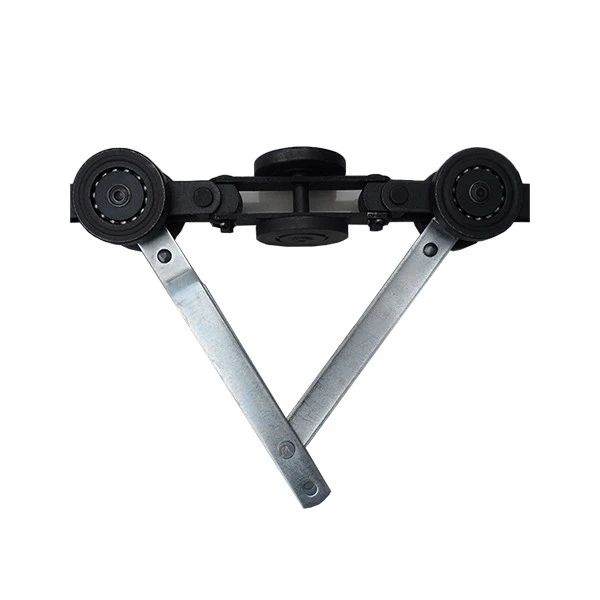
5. Maintenance Challenges
Maintaining a C shaped spreader can be a bit of a hassle. The C shape has some hard - to - reach areas that are prone to accumulating dirt, debris, and residue from the spread materials. Cleaning these areas thoroughly can be difficult and time - consuming.
Over time, if these areas are not properly cleaned, it can lead to corrosion and mechanical problems. For example, the build - up of material in the corners of the C can cause the moving parts to jam, reducing the spreader's performance and lifespan. Regular maintenance is crucial, but it can be more challenging compared to other types of spreaders with simpler designs.
6. Cost - Efficiency
In some cases, C shaped spreaders may not be the most cost - efficient option. Due to their limitations in spreading range and efficiency, you may end up using more fuel and spending more time on a job compared to other spreaders. This can increase the overall cost of the project.
If you're a business owner, the additional costs can eat into your profit margins. While C shaped spreaders may have a lower upfront cost in some cases, the long - term costs associated with their operation and maintenance can be significant.
When C Shaped Spreaders Still Shine
Despite these limitations, C shaped spreaders still have their place. They are relatively simple in design, which makes them easy to understand and operate. For small - scale jobs, like spreading salt on a driveway or fertilizer in a small backyard garden, a C shaped spreader can be a cost - effective and practical choice.
They are also often more affordable than some of the more advanced spreader models. So, if you have a limited budget and only need to do occasional spreading tasks, a C shaped spreader might be just what you need.
Conclusion
In conclusion, while C shaped spreaders are useful tools, they do come with a set of limitations. It's important to consider these limitations when choosing a spreader for your specific needs. If you're dealing with large areas, need even spreading, or have to work with a variety of materials, you might want to look into other types of spreaders like the cross spreader, Y type conveyor spreader, or bearing spreader.
But hey, if you're still interested in a C shaped spreader or want to discuss your spreading needs further, don't hesitate to reach out. We're here to help you find the best solution for your project. Whether you're a professional in the industry or a DIY enthusiast, we've got the knowledge and products to meet your requirements. Let's talk and see how we can work together to get the job done right.
References
- Industry knowledge and experience as a C shaped spreader supplier.
- Comparisons based on common features and performance of different spreader types in the market.


