

The lifespan of a bearing spreader is a critical concern for both suppliers and users, as it directly impacts the efficiency, cost - effectiveness, and safety of various industrial operations. As a bearing spreader supplier, I have had extensive experience in this field, and I'd like to share some insights on this topic.
Factors Affecting the Lifespan of a Bearing Spreader
Material Quality
The quality of materials used in manufacturing a bearing spreader is fundamental to its lifespan. High - grade steel alloys are commonly used due to their excellent strength, toughness, and resistance to wear and corrosion. For instance, a bearing spreader made from premium stainless steel can withstand harsh environments, including high humidity and exposure to chemicals. On the other hand, a spreader made from low - quality materials may start to show signs of wear and tear much earlier, such as surface pitting and cracking.

Operating Conditions
The environment in which a bearing spreader operates plays a significant role in determining its lifespan. In a clean, dry, and temperature - controlled environment, a bearing spreader can last much longer. However, if it is used in a dusty, dirty, or corrosive environment, its lifespan will be significantly reduced. For example, in a mining operation, where there is a large amount of dust and debris, the moving parts of the bearing spreader can quickly become clogged, leading to increased friction and premature wear.
Load Capacity and Usage Frequency
The load capacity of a bearing spreader is designed to handle a certain amount of weight. If the spreader is frequently overloaded, it will experience excessive stress, which can lead to deformation and failure. Similarly, the frequency of use also affects the lifespan. A bearing spreader that is used continuously for long hours every day will wear out faster than one that is used intermittently.
Maintenance and Lubrication
Proper maintenance and lubrication are essential for extending the lifespan of a bearing spreader. Regular inspections can help detect early signs of wear, such as loose bolts or damaged parts. Lubrication reduces friction between moving parts, preventing excessive heat generation and wear. Without proper lubrication, the metal - to - metal contact can cause rapid deterioration of the spreader's components.
Typical Lifespan Ranges
The lifespan of a bearing spreader can vary widely depending on the factors mentioned above. In general, under normal operating conditions with proper maintenance, a high - quality bearing spreader can last anywhere from 5 to 10 years. However, in more demanding environments or with improper use, the lifespan may be reduced to as little as 1 to 3 years.
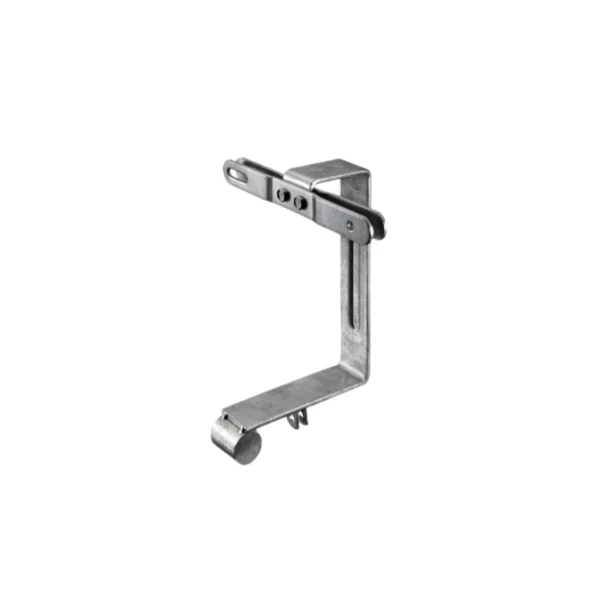
For example, a Flange Plate type of bearing spreader, which is often used in applications where a flat and stable spreading surface is required, may have a relatively long lifespan if it is used within its rated load capacity and maintained regularly. Similarly, a C Shaped Spreader, which is designed for more specialized applications, can also have a decent lifespan when properly cared for. The Cross Disc Spreader, with its unique design, can provide reliable service for an extended period if used and maintained correctly.
Extending the Lifespan of a Bearing Spreader
Selecting the Right Spreader
Choosing the appropriate bearing spreader for the specific application is crucial. This involves considering factors such as the load capacity, the type of material to be spread, and the operating environment. A well - matched spreader will be less likely to be overloaded or damaged due to unsuitable conditions.
Regular Inspections
Conducting regular inspections can help identify potential problems early. This includes checking for signs of wear on the spreading blades, the integrity of the frame, and the functionality of the moving parts. Any damaged or worn - out parts should be replaced immediately to prevent further damage.
Proper Lubrication
As mentioned earlier, lubrication is key to reducing friction and wear. Using the right type of lubricant and applying it at the recommended intervals can significantly extend the lifespan of the bearing spreader.
Operator Training
Proper training of the operators is essential. Operators should be aware of the load capacity of the spreader, the correct operating procedures, and the importance of maintenance. A well - trained operator can help prevent misuse and damage to the spreader.
Importance of a Long - Lifespan Bearing Spreader
A bearing spreader with a long lifespan offers several benefits. Firstly, it reduces the need for frequent replacements, which can save a significant amount of money in the long run. Secondly, it ensures the continuity of operations, as there is less downtime due to equipment failure. Thirdly, it enhances safety in the workplace, as a well - maintained and long - lasting spreader is less likely to malfunction and cause accidents.
Conclusion
In conclusion, the lifespan of a bearing spreader is influenced by multiple factors, including material quality, operating conditions, load capacity, usage frequency, and maintenance. As a bearing spreader supplier, I understand the importance of providing high - quality products and guiding our customers on how to extend the lifespan of these products. By selecting the right spreader, conducting regular inspections, ensuring proper lubrication, and providing operator training, users can maximize the lifespan of their bearing spreaders.
If you are interested in purchasing a bearing spreader or need more information about our products, we welcome you to contact us for further discussions. We are committed to providing you with the best solutions for your industrial spreading needs.

References
- Machinery's Handbook, 31st Edition, Industrial Press Inc.
- Handbook of Tribology: Materials, Coatings, and Surface Treatments, Edited by Bharat Bhushan
- Manufacturing Engineering and Technology, 5th Edition, S. Kalpakjian and S. R. Schmid


