

Wear resistance is a critical factor in the performance and longevity of conveyor chains. As a leading conveyor chain supplier, we understand the importance of this characteristic and its impact on the efficiency of various industrial applications. In this blog, we will delve into what wear resistance means for a conveyor chain, the factors that affect it, and how to ensure optimal wear resistance in your operations.
Understanding Wear Resistance in Conveyor Chains
Wear resistance refers to a material's ability to withstand the effects of friction, abrasion, and other forms of mechanical wear over time. In the context of conveyor chains, wear resistance is crucial because these chains are constantly in motion, often carrying heavy loads and operating in challenging environments. A chain with high wear resistance will maintain its integrity and performance for a longer period, reducing the need for frequent replacements and minimizing downtime.
There are several types of wear that conveyor chains may experience:
- Abrasive Wear: This occurs when the chain comes into contact with rough surfaces or abrasive materials. For example, in mining or quarrying applications, the chain may be exposed to rocks and gravel, which can cause the chain links to wear down.
- Adhesive Wear: This type of wear happens when two surfaces in contact stick together and then separate, causing material to be transferred from one surface to the other. In conveyor chains, adhesive wear can occur at the pin and bushing interfaces.
- Fatigue Wear: Over time, repeated stress and loading can cause the chain to develop cracks and eventually fail. Fatigue wear is particularly common in high-speed or high-load applications.
Factors Affecting the Wear Resistance of Conveyor Chains
Several factors can influence the wear resistance of a conveyor chain:
- Material Quality: The type of material used to manufacture the chain plays a significant role in its wear resistance. High-quality steels, such as alloy steels, are often used because they offer better strength and hardness compared to standard carbon steels. For example, chains made from heat-treated alloy steels can withstand higher levels of stress and abrasion.
- Surface Treatment: Applying a surface treatment, such as galvanizing or nitriding, can enhance the wear resistance of the chain. Galvanizing provides a protective layer that prevents corrosion, while nitriding increases the hardness of the surface, making it more resistant to wear.
- Design and Geometry: The design of the chain, including the shape and size of the links, can affect its wear resistance. Chains with a well-designed geometry can distribute the load more evenly, reducing the stress on individual components and minimizing wear.
- Operating Conditions: The environment in which the conveyor chain operates can have a significant impact on its wear resistance. Factors such as temperature, humidity, and the presence of abrasive materials can all contribute to increased wear. For example, chains operating in a dusty environment may experience more abrasive wear compared to those in a clean environment.
Measuring Wear Resistance
There are several methods for measuring the wear resistance of a conveyor chain:

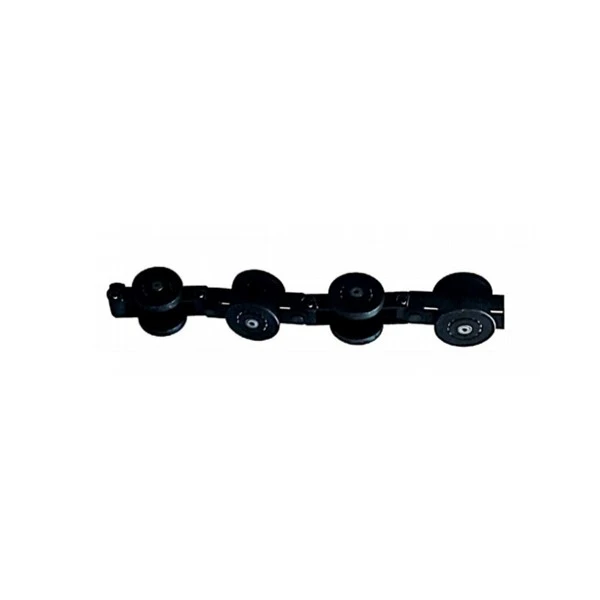
- Visual Inspection: Regular visual inspections can help detect signs of wear, such as worn links, pins, or bushings. By examining the chain closely, you can identify areas that are experiencing excessive wear and take appropriate action.
- Dimensional Measurement: Measuring the dimensions of the chain components, such as the pin diameter or the link pitch, can provide an indication of wear. A decrease in the pin diameter or an increase in the link pitch may indicate that the chain is wearing out.
- Wear Testing: Laboratory tests can be conducted to measure the wear resistance of the chain under controlled conditions. These tests typically involve subjecting the chain to a specific amount of friction or abrasion and measuring the amount of material lost.
Ensuring Optimal Wear Resistance
To ensure optimal wear resistance in your conveyor chains, consider the following tips:
- Choose the Right Chain: Select a chain that is suitable for your specific application. Consider factors such as the load capacity, operating speed, and environmental conditions. For example, if you are operating in a high-temperature environment, you may need a chain that is made from heat-resistant materials.
- Proper Installation: Ensure that the chain is installed correctly, following the manufacturer's instructions. Improper installation can lead to uneven loading and increased wear.
- Regular Maintenance: Implement a regular maintenance schedule to keep the chain in good condition. This may include lubrication, cleaning, and inspection. Lubrication helps reduce friction and wear, while cleaning removes dirt and debris that can cause abrasion.
- Monitor Wear: Regularly monitor the wear of the chain using the methods described above. By detecting wear early, you can take proactive measures to prevent chain failure and minimize downtime.
Our Conveyor Chain Products
As a conveyor chain supplier, we offer a wide range of high-quality chains to meet the needs of various industries. Our product portfolio includes Cross Conveyor Chains, Power and Free Conveyor Chains, and Heavy Duty Drag Chains. These chains are designed to provide excellent wear resistance and reliability, even in the most demanding applications.
Our cross conveyor chains are ideal for applications that require the transfer of materials across multiple conveyors. They are available in a variety of sizes and configurations to suit different requirements. Our power and free conveyor chains are designed for use in automated material handling systems, where they provide smooth and efficient operation. And our heavy-duty drag chains are suitable for applications that involve the transportation of heavy loads, such as in mining and construction.
Conclusion
Wear resistance is a crucial factor in the performance and longevity of conveyor chains. By understanding the factors that affect wear resistance and taking appropriate measures to ensure optimal wear resistance, you can extend the life of your chains and improve the efficiency of your operations. As a conveyor chain supplier, we are committed to providing high-quality products and excellent customer service. If you are interested in learning more about our conveyor chains or have any questions, please feel free to contact us for a consultation. We look forward to working with you to meet your conveyor chain needs.
References
- ASME B29.1 - Roller Chains, Attachments, and Sprockets
- ISO 606 - Transmission and conveyor roller chains, attachments and associated sprockets
- DIN 8187 - Roller chains, short pitch transmission and conveyor chains


